
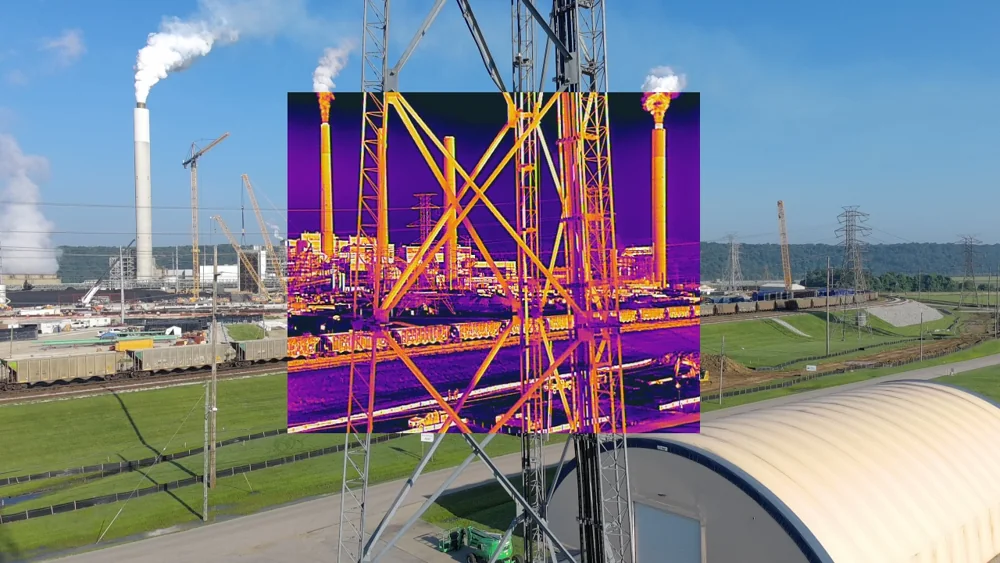
Visible detail and infrared observations
DANCIND uses aerial thermal imagery to document surface temperature patterns on roofs, solar arrays, and industrial equipment. Visible photographs can provide context, helping a reviewer locate an observation on the property or structure.
Applications
- Commercial and residential roof documentation where thermal capture is suitable.
- Solar array imagery to highlight temperature differences for an electrical specialist to investigate.
- Industrial equipment and structure documentation from accessible aerial viewpoints.
Work with Brendan Cullen
Brendan holds the Infrared Training Center Level I sUAS Applications Certified Thermographer credential shown on the About page. Discuss the question you are trying to answer before choosing a thermal capture approach.
What to agree before the flight
Identify the equipment or roof area, its operating conditions, the observations you want documented, and the output format. The scope may include infrared images, visible images, labeled areas of interest, and an agreed observation summary. Tell Brendan if temperature readings or repeated visits are part of your requirements.
Interpretation matters
Sunlight, weather, reflections, material properties, viewing angle, and operating conditions can all affect a thermal image. Temperature contrast is an observation, not a diagnosis. A thermal image alone does not confirm trapped moisture, electrical failure, or the cause of a defect.
Use the imagery to guide further investigation by the relevant qualified specialist. Timing and suitable conditions are part of planning, so capture dates may need to change.
Request a thermal imaging quote
Send the site location, equipment or property type, areas of concern, access information, and preferred timing. Scope, travel, conditions, and documentation requirements determine the quote.